

Living Room Lighting Inspiration
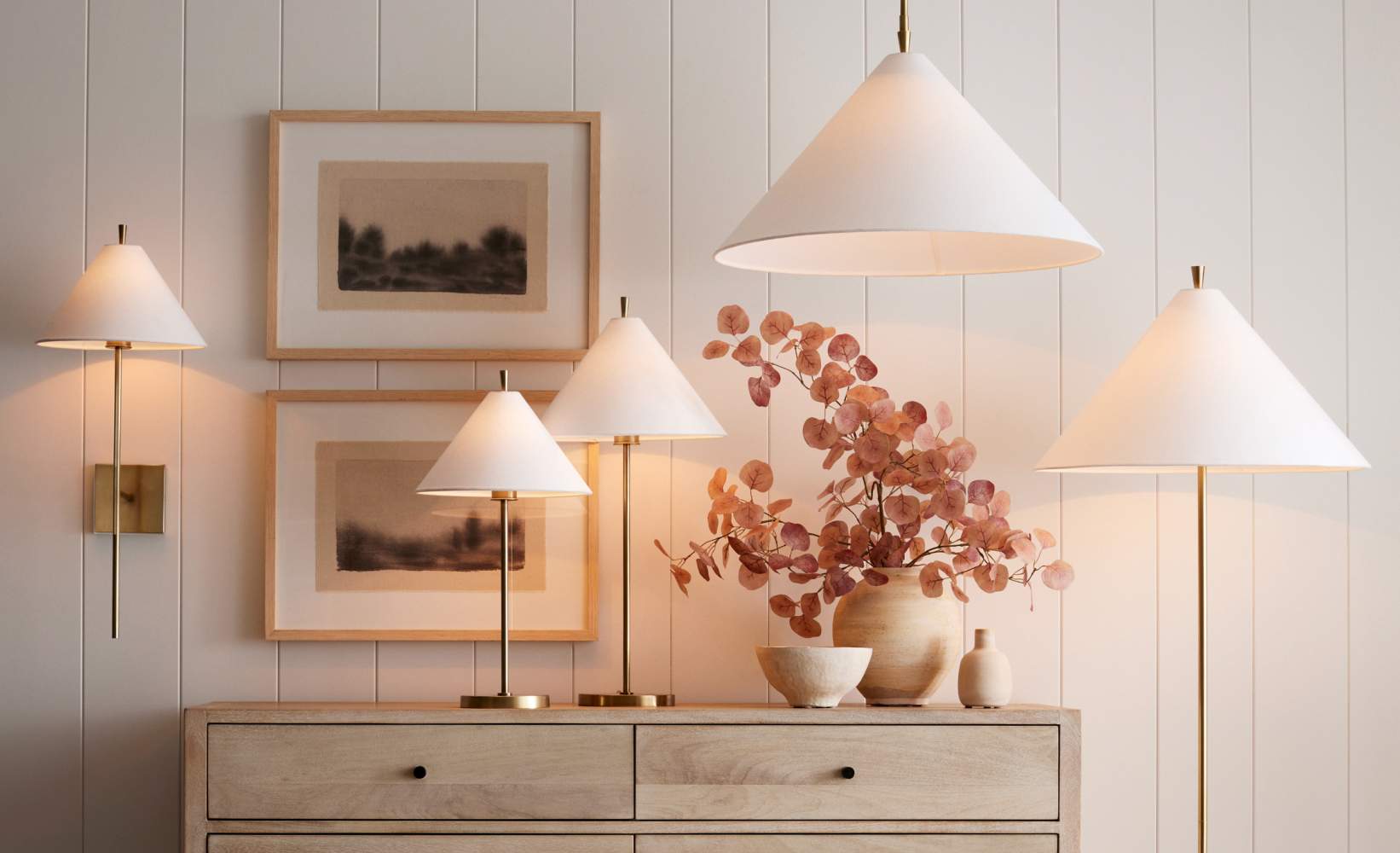
Lighting is one of the most crucial elements in interior design, particularly in the living room—it sets a mood and serves a very essential function. The right living room lighting can almost instantly upgrade your space, whether it’s illuminating a cozy reading nook or highlighting key architectural details. The suggestions below will give you plenty of lighting inspiration and introduce a few ambient, task, and accent lighting options that will help create a well-lit and inviting atmosphere.
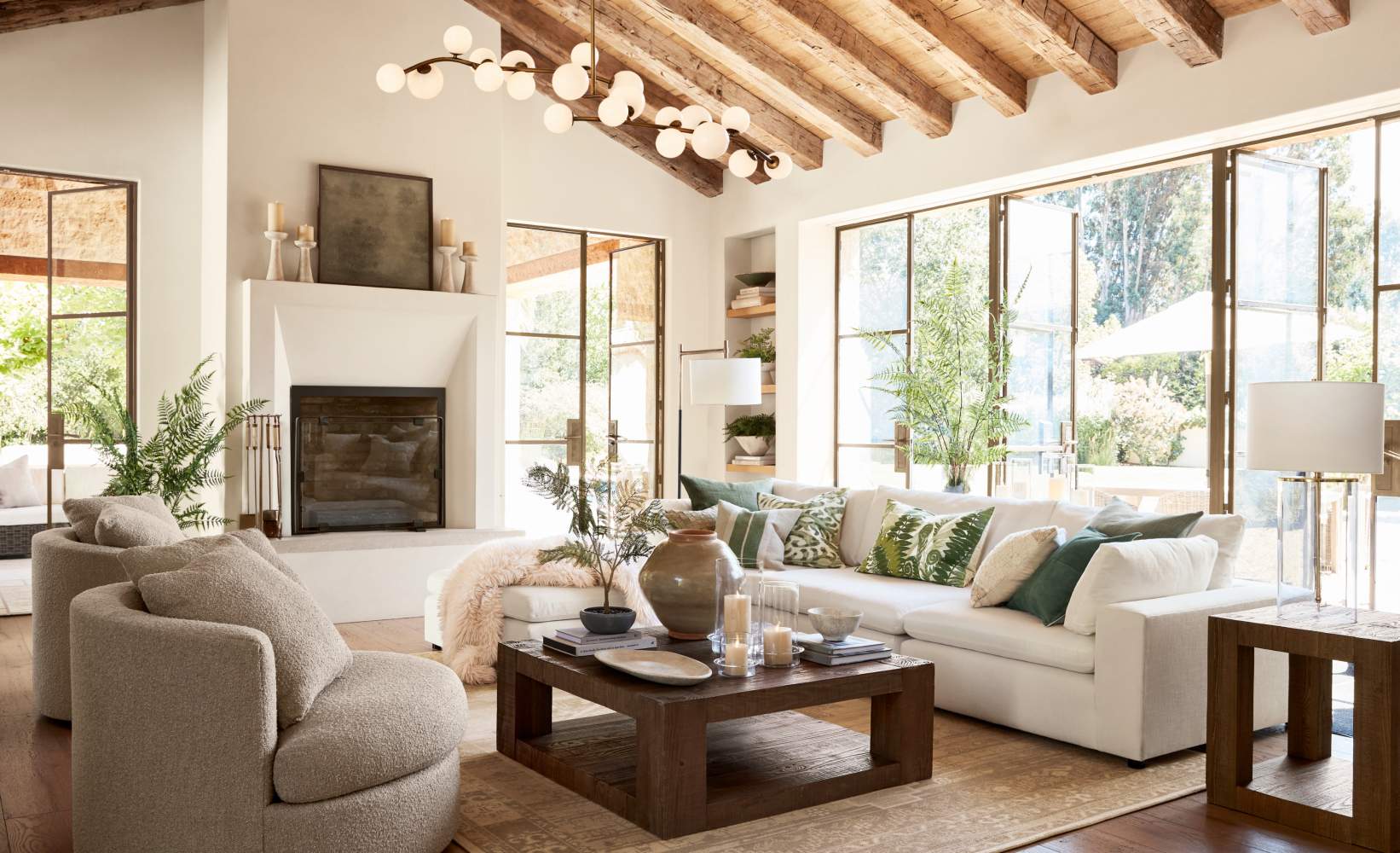
The Importance of Lighting in Living Room Decor
Lighting is more than just a necessity—it can complement your decor and even influence how you feel in the space. For example, bright lighting can keep you on task or keep entertaining lively, while a warmer or dimmer light feels warm and relaxing. Proper lighting ensures that your living room is both inviting and functional, making it an essential component of your overall living room decor.
Ambient Lighting: An Illuminating Foundation
Ambient lighting serves as the primary source of illumination in your living room. It provides a comfortable level of brightness without glare, allowing you to perform basic activities. Here are some living room lighting ideas for ambient lighting:
Chandeliers: Chandeliers add elegance and a focal point to the room. An easy way to land the right size for your room is to add the room’s length and width. The sum would be the optimal diameter for a chandelier. For example, if your room is 10’ x 12’, a lighting fixture that’s 22” in diameter will work nicely. Remember that a chandelier or pendant should hang at least 30” above a table and a minimum of 7’ high in high traffic areas.
Ceiling Fixtures: Ceiling fixtures provide even lighting and are available in various styles to match your decor. For typical 8’ ceilings, look for fixtures that are 24-36" in height. If your ceiling is higher, you can increase the height of the ceiling fixture proportionally.
Floor Lamps: When overhead lighting isn’t possible, floor lamps provide essential lighting if you choose multidirectional heads or upward-facing shades.
Table Lamps: If you use a table lamp as your main source of ambient light, choose one that diffuses light evenly across the room.
These options establish a warm and inviting base layer of light.
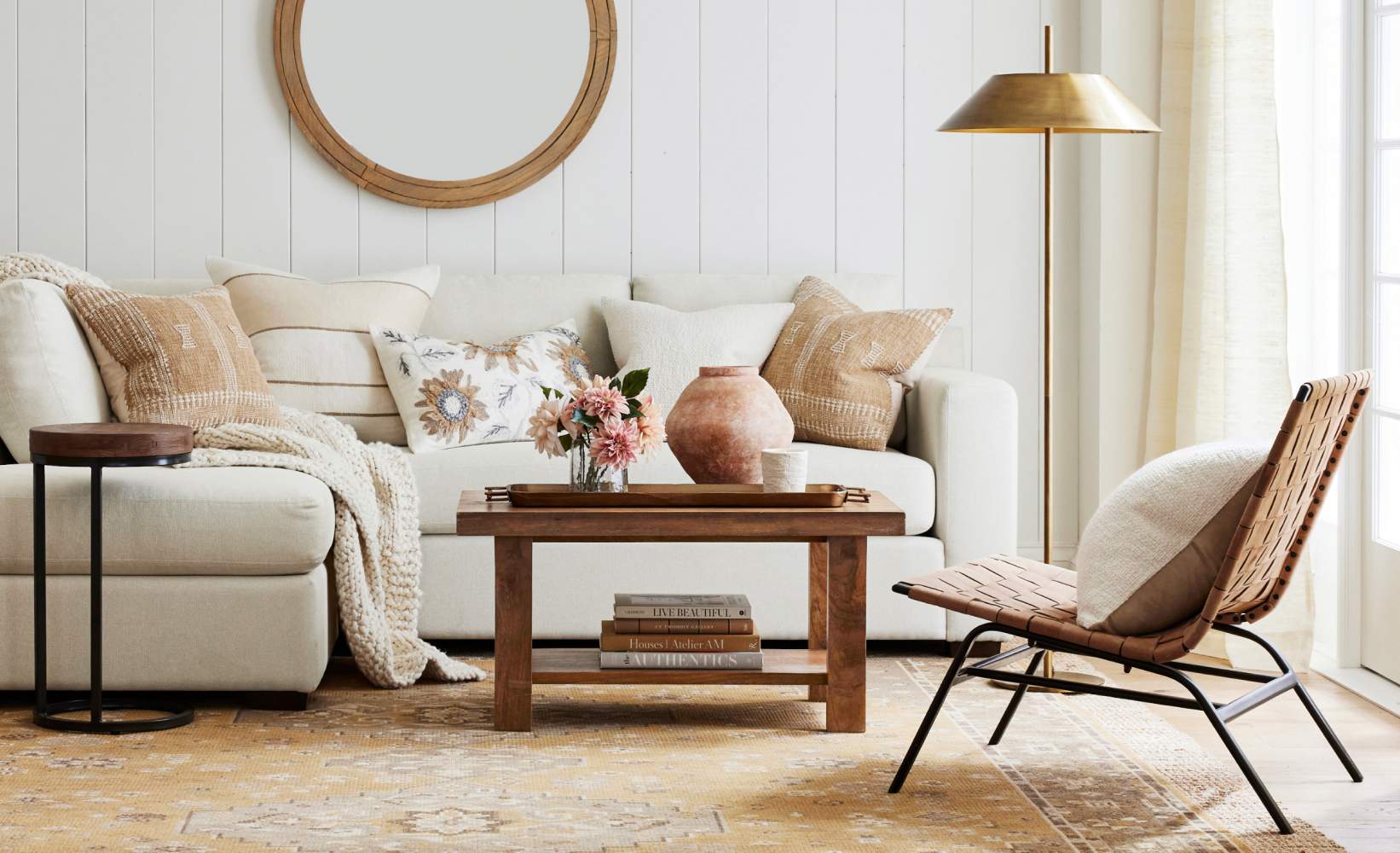
Task Lighting: Focused Illumination for Activities
Task lighting is essential for activities that require more focused light, like reading or working. Here are some suggestions:
Table Lamps: Perfect for side tables or desks, providing direct light where needed.
Floor Lamps: Versatile and mobile, ideal for reading nooks or beside sofas.
Sconces and Picture Lights: Useful for highlighting specific areas, such as bookshelves or art displays.
Incorporating task lighting ensures your living room is functional and adaptable to different activities.
Accent Lighting: Highlighting Features
Accent lighting adds depth and dimension to your living room decor by highlighting specific features or elements. Consider these options:
Sconces and Picture Lights: Create visual interest and can highlight artwork or architectural details.
Track Lighting: Flexible and adjustable, suitable for illuminating multiple focal points. Track lights are a great lighting style for areas where there may not be space for a larger fixture, like a chandelier. For example, track lights can be a great living room lighting idea or lighting inspiration for other small spaces with lower ceilings.
Spotlights: Focused beams that draw attention to specific areas or objects.
Accent lighting enhances the aesthetic appeal of your space, adding layers and texture to your interior lighting scheme.
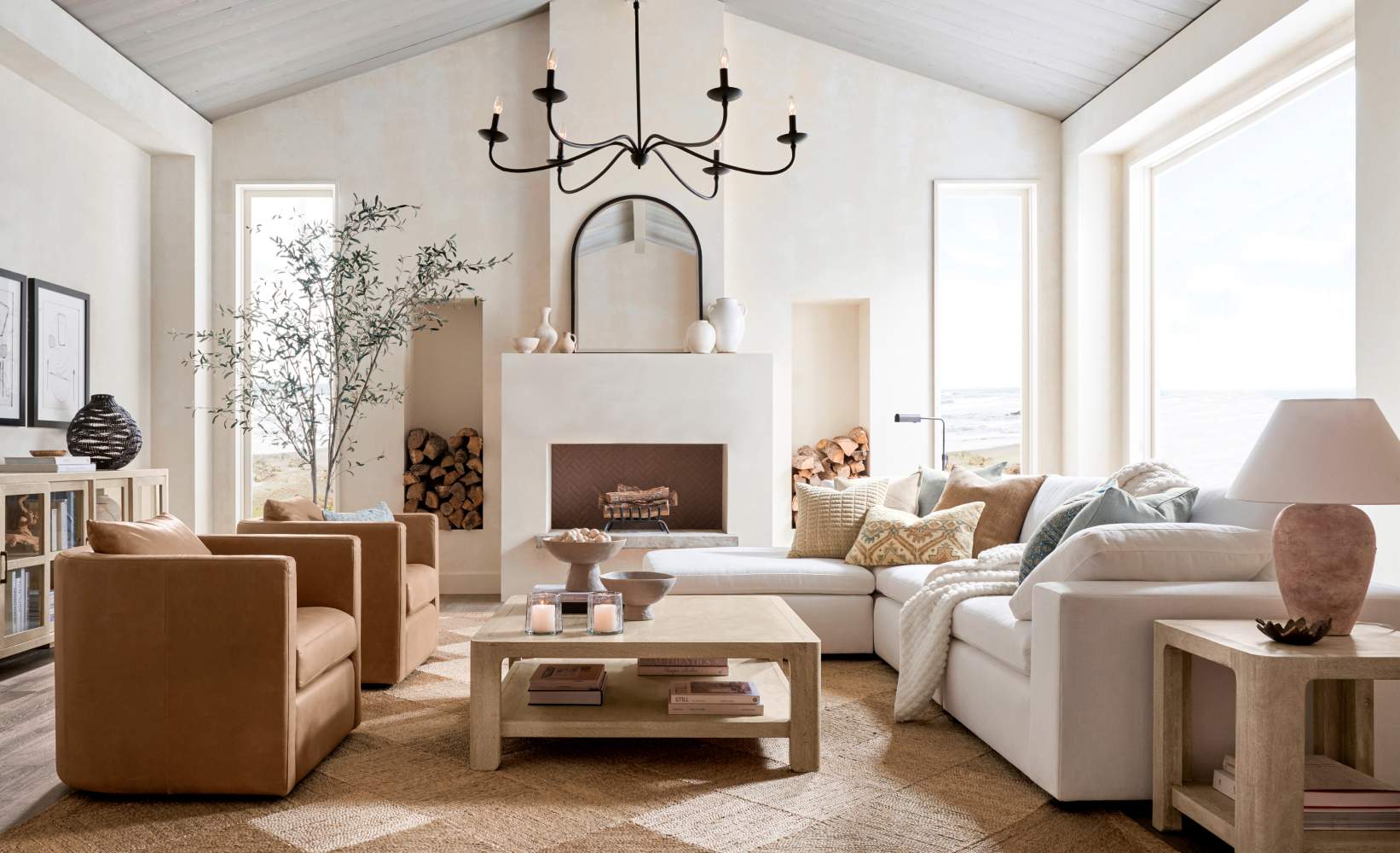
Mixing Lighting Styles for a Cohesive Look
Combining different lighting styles can create a dynamic and harmonious living room. Here are some tips for achieving a cohesive look:
Layering: Use a combination of ambient, task, and accent lighting to create a balanced and versatile lighting scheme.
Color Temperature: Maintain a consistent color temperature across lighting fixtures to ensure a unified appearance.
Dimmer Switches: Install dimmer switches to adjust light levels according to mood and occasion.
These strategies help integrate various lighting elements seamlessly into your living room design.
Tips for Choosing the Perfect Living Room Lighting
As you explore options, keep these simple tips in mind to determine the best lighting for your space.
Reflect the Room’s Aesthetic: Traditional interior design would see more ornate chandeliers or scones in materials like brass or bronze. Modern design would opt for sleeker, more minimal fixtures that bring clean lines and neutral colors to the space. A more eclectic style could potentially mix and match different fixture colors and textures for a unique and curated look that plays off the rest of the decor.
Keep it Cohesive: As you browse living room lighting inspiration, you’ll notice that the most beautiful interior designs tend to feature lighting that has a common design element. Choosing a common color, finish, or material is an easy way to create a naturally cohesive feel.
Illuminating Your Living Room in Style
Finding the right living room lighting ideas involves thoughtful consideration and the solution is often the layering of ambient, task, and accent lighting. By exploring different lighting inspiration and styles, you can design a space that’s perfectly lit and enhances the overall look and feel of your space.